The Best Time of Year to Start Your Home Improvement Project (And Why Timing Actually Affects Your Cost)
Most homeowners schedule home improvement projects based on when they finally get around to it — not when the conditions are actually right. A driveway gets sealed in November because that's when the estimate came in. A garage floor gets coated in August because that's when the homeowner finally had a free weekend.
Timing matters more than most people realize. And it affects both the quality of the result and what you end up paying.
Why weather and season affect home project outcomes
Exterior home services — driveway sealing, concrete repair, surface restoration — depend on specific temperature and moisture conditions to perform correctly. Most coatings and sealers require surface temperatures within a defined range to cure properly. Applied too cold, they don't bond. Applied in direct midsummer heat, they can dry too fast and leave an uneven finish.
Moisture is the other critical factor. A freshly rained-on concrete surface cannot be sealed effectively. A surface that's been dry for too long in peak summer heat can be equally problematic.
These aren't minor details. They're the difference between a coating that lasts a decade and one that starts to fail within a year.
The seasons that tend to work best — and the ones to avoid
The right window for most exterior surface projects falls in spring and early fall for most climates in the United States:
- Spring (April–June): Temperatures are typically moderate, moisture levels are stabilizing after winter, and surfaces have had time to cure after freeze-thaw cycles. This is often the optimal window for driveway sealing and concrete repair.
- Early Fall (September–October): Temperatures drop from summer peaks, humidity typically decreases, and the urgency of completing projects before winter creates strong contractor availability.
- Midsummer: High temperatures and intense UV exposure can affect application quality for many surface coatings. Projects scheduled during this period require experienced contractors who understand how to adapt.
- Late Fall and Winter: For most exterior projects, temperatures below 50°F introduce real risk of poor adhesion and incomplete curing. Projects scheduled in this window are gambling on favorable short-term conditions.
Interior projects like garage floor coatings follow similar logic — temperature and humidity inside an unheated garage can mirror exterior conditions more closely than homeowners expect.
How timing affects what you pay
Contractor pricing follows supply and demand like any other market. The highest demand windows — late spring and early summer — are also the windows where contractors are busiest, lead times are longest, and premium pricing is most common.
Homeowners who plan ahead and schedule projects in the shoulder seasons — early spring or early fall — often find better availability, shorter wait times, and more competitive pricing. The project quality is frequently better too, because contractors aren't rushing through a packed schedule.
The homeowners who plan the furthest ahead get the best of all three: better timing, better pricing, and better results.
What smart scheduling actually involves
Scheduling a home project well isn't just about picking a date. It involves understanding the intersection of several factors:
- Your preferred timeline and what flexibility you have
- The seasonal conditions that are optimal for your specific project type
- Local weather patterns and what to expect in your area during your target window
- Contractor availability in your market and typical lead times
- Any site-specific factors — such as a driveway that needs to dry after recent rain — that could affect the start date
ProofPros accounts for these factors when helping homeowners plan their projects. The platform considers preferred dates, seasonal suitability, and local conditions to help ensure the work gets scheduled at the right time — not just the convenient one.
The cost of starting too late
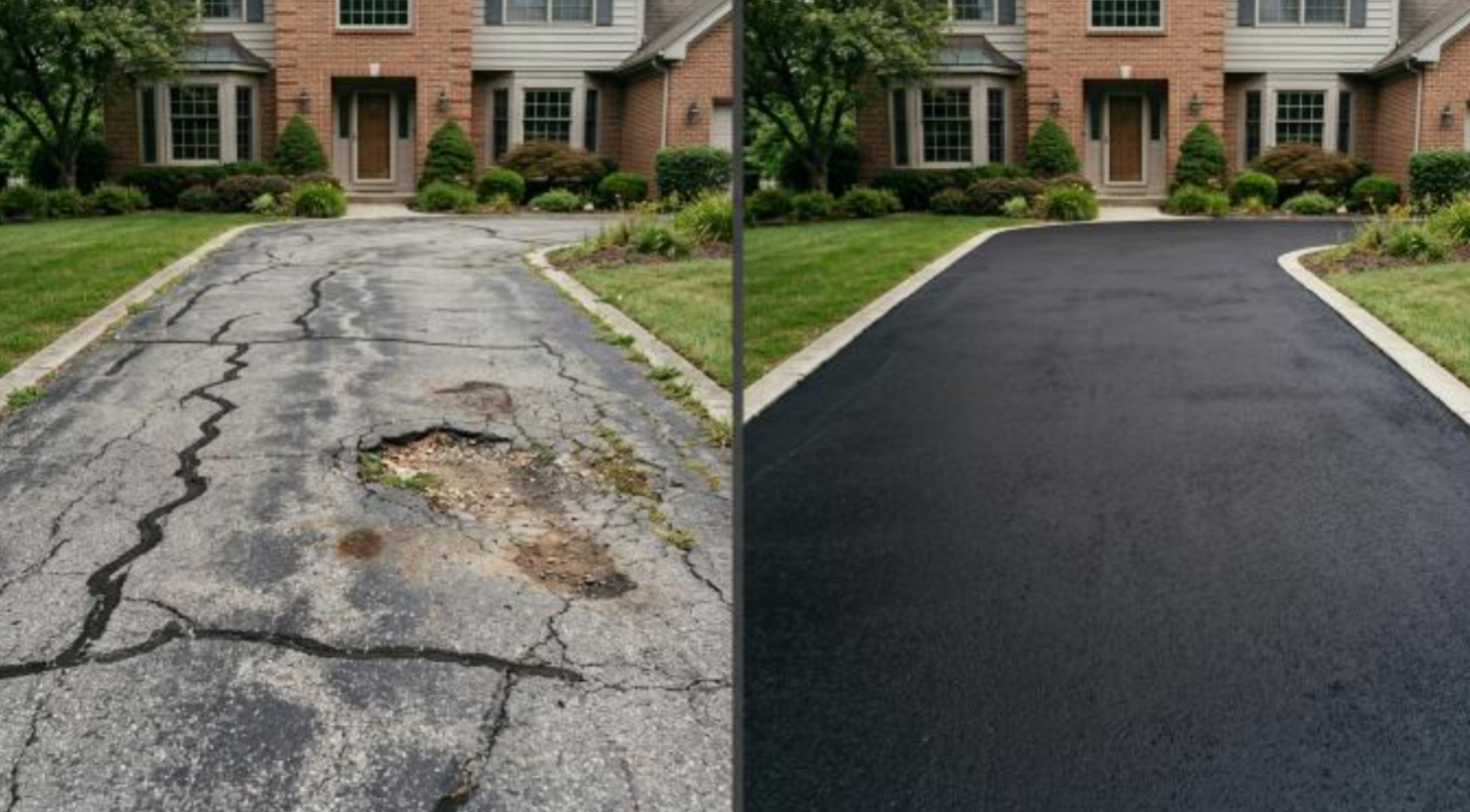
The most expensive version of home project timing is waiting until the damage is urgent. A driveway that needed sealing last spring and didn't get it will need crack repair this spring — and possibly resurfacing the spring after that. Each season of delay moves the project up the cost curve.
The same pattern applies to garage floor coatings, surface restoration, and virtually every other home surface project. Preventive work done at the right time is always less expensive than remediation work done under pressure.
Frequently asked questions
Can exterior projects be completed in winter? In some climates, mild winter conditions make certain projects possible. But in most of the United States, temperatures below 50°F introduce meaningful risk to adhesion and curing quality. Early spring or fall scheduling is almost always preferable.
How far in advance should I schedule a home project? For peak-season projects, booking four to eight weeks out is common. Shoulder-season projects often have more flexibility. Starting the estimate process early gives you the most options.
Does ProofPros account for local weather when scheduling? Yes. The ProofPros platform considers local weather conditions and seasonal suitability as part of the project planning process, alongside your preferred timeline.
What if I need a project done urgently, regardless of season? Qualified contractors can often work within tighter windows when conditions allow. Getting an AI estimate and connecting with a matched professional quickly gives you the clearest picture of what's possible for your specific situation.
The right project at the wrong time of year delivers the wrong result. Get a ProofPros estimate and plan your project for the window when conditions — and pricing — are actually in your favor.
