
Why Your Driveway Is Costing You More Than You Think (And What to Do About It)
Most homeowners don't think about their driveway until something goes wrong. By then, a problem that could have been prevented for a few hundred dollars has become one that costs significantly more to fix.
Neglect is expensive. The math on driveway maintenance makes that clear.
What actually happens to an unmaintained driveway
Concrete and asphalt are durable materials — but they're not permanent. Both are porous, which means water, oil, and temperature changes affect them over time. In colder climates, water that penetrates small surface cracks freezes, expands, and makes those cracks larger. In warmer climates, UV exposure and heat cycling cause surfaces to dry out and become brittle.
The result, in either case, is the same: gradual deterioration that accelerates if left unaddressed.
The window between preventable and expensive
There is a specific window during which driveway maintenance is both effective and cost-efficient. Surface-level sealing, when applied to a driveway in good condition, extends its life significantly and costs a fraction of what repair or replacement requires.
Once cracking becomes structural — once water has worked its way beneath the surface and begun affecting the base — the options narrow. Patching can address isolated damage, but widespread deterioration often means replacement.
That window closes faster than most homeowners expect.
What professional driveway services actually cover
Understanding your options is the first step toward making the right call for your specific situation:
- Sealing protects surfaces in good condition from water, oil, and UV damage
- Crack filling addresses early-stage damage before it spreads
- Concrete repair handles more significant surface deterioration
- Full resurfacing restores severely worn surfaces without full replacement
Each service addresses a different stage of wear. Knowing which one applies to your driveway — and getting an accurate estimate before calling a contractor — helps you make a faster, better-informed decision.
Why estimates matter before the first contractor visit
Driveway contractors vary widely in how they price services. Without a reference point, homeowners have no way to evaluate whether a quote reflects fair market rates or an inflated margin.
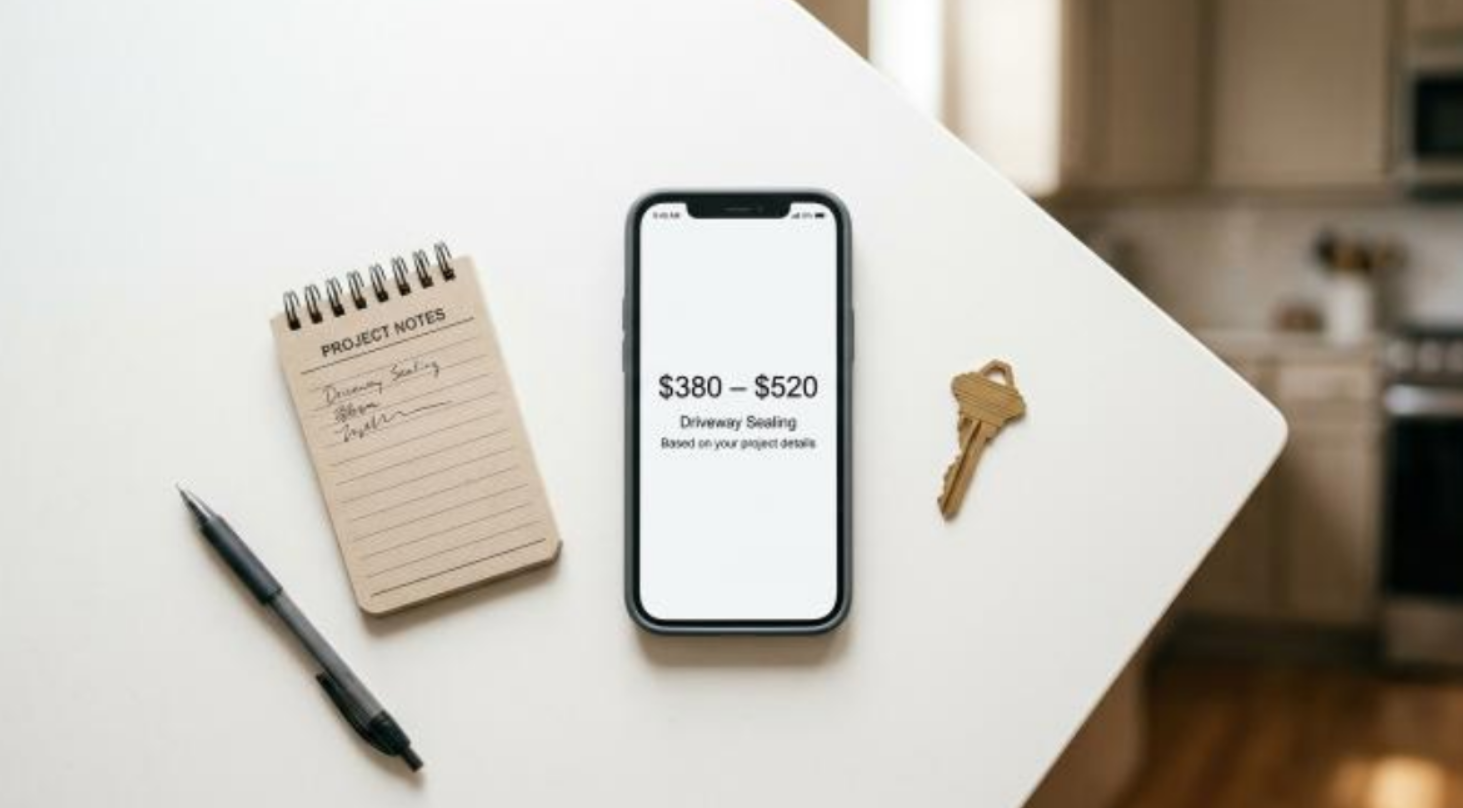
The ProofPros AI Quote Builder generates a realistic price range before you speak with anyone. You describe the project, upload a photo of the current condition, and receive an estimate based on your specific details. By the time you sit down with a contractor, you already know what a fair price looks like.
The right time to act is usually now
Driveway maintenance follows a simple rule: the longer you wait, the more it costs. A surface that needs sealing today will need crack repair next year and resurfacing the year after that. The cost curve only moves in one direction.
If you've noticed surface discoloration, hairline cracks, or areas where water pools rather than drains, those are the early signals. Addressing them now is the most cost-effective decision available to you.
Frequently asked questions
How often should a driveway be sealed? Most professionals recommend sealing every two to three years, depending on climate, usage, and the condition of the existing surface.
Can I seal a driveway with existing cracks? Minor surface cracks can be filled before sealing. Significant structural cracking requires repair work prior to any sealing application.
Does driveway condition affect home value? Yes. Curb appeal directly influences perceived home value, and a deteriorated driveway is one of the first things prospective buyers and appraisers notice.
How do I get an accurate estimate for my driveway project? ProofPros uses AI to generate a personalized estimate based on your project details, including photos of the current condition.
Your driveway gives you signals before it gives you problems. Get an estimate from ProofPros and understand your options before the window closes.
